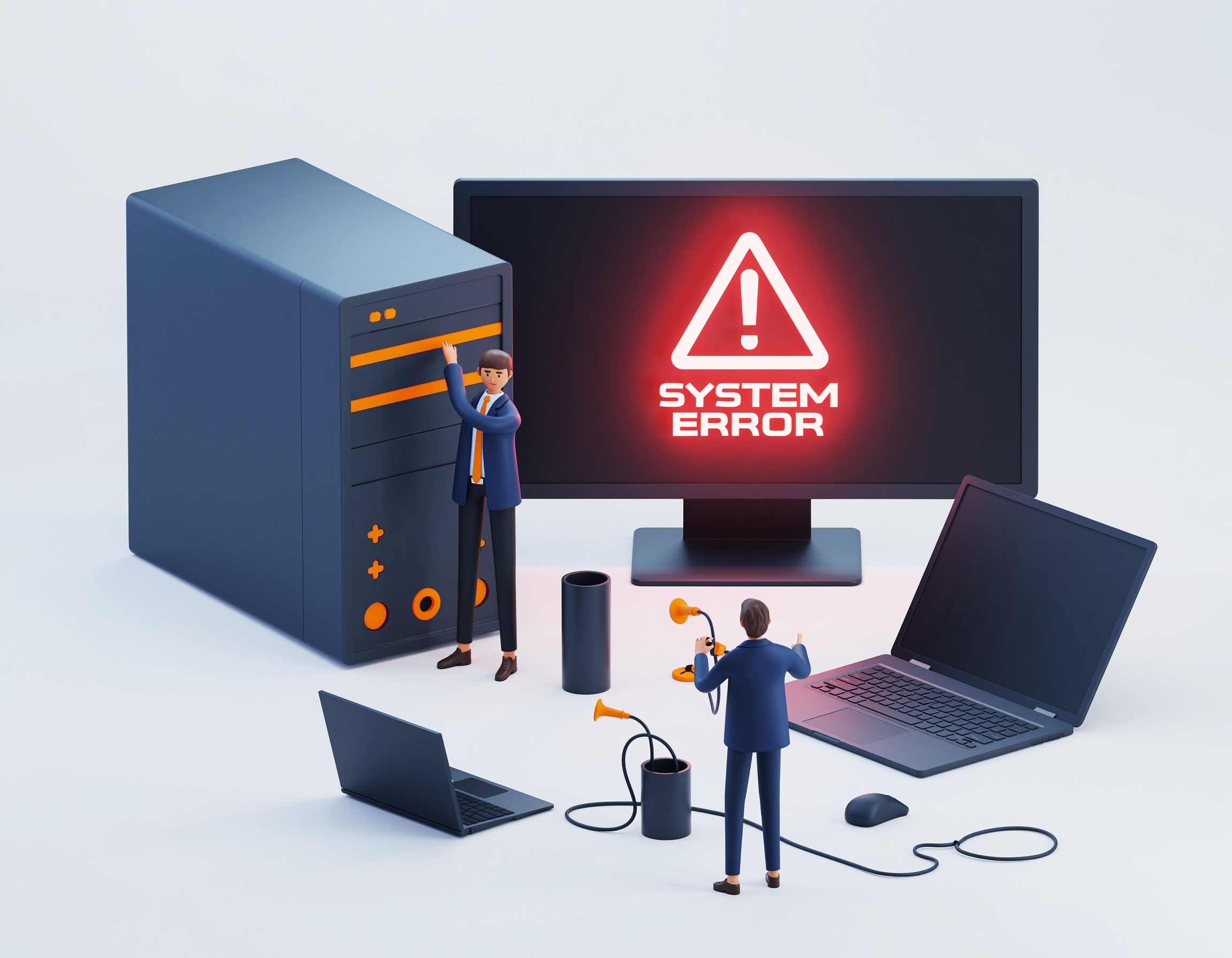
There was a time when hiring an IT support company meant keeping a contact number on the wall for when a server crashed, a printer jammed, or an employee forgot their password. You paid a fee, someone showed up to fix the broken hardware, and everyone went back to work.
That traditional “Break-Fix” model is officially dead.
In 2026, technology is no longer just an administrative back-office utility—it is the direct engine driving your sales, customer communication, and daily cash flow. With global IT spending accelerating past $6.3 trillion, the gap between businesses utilizing modern infrastructure and those stuck on legacy systems is widening rapidly.
If your current IT support strategy relies on waiting for something to go wrong before taking action, your business is exposed to unnecessary downtime, rising cloud costs, and hidden security risks. Here are the three new rules defining modern IT support—and how local businesses can leverage them for a competitive edge.
Rule #1: AI Needs Guardrails, Not Just Hype
Artificial Intelligence has officially transitioned from an experimental “science project” into the baseline of daily operations. Whether it’s deploying an AI voice dispatcher to answer client calls 24/7 or using intelligent algorithms to draft proposals, businesses adopting AI are seeing massive productivity gains.
However, the dark side of uncontrolled AI adoption is Shadow AI. When employees use public, consumer-grade chatbots to process client records, financial spreadsheets, or sensitive contracts, that proprietary data gets absorbed into public learning models.
- The Modern IT Standard: Upgraded IT support doesn’t ban AI; it deploys Private AI Sandboxes and Data Loss Prevention (DLP) guardrails. This allows your team to harness automation speed while keeping 100% of your company data encrypted and private.
Rule #2: Digital Trust Trumps Reactive Security
A simple firewall and an antivirus scanner are no longer enough to protect a growing business. Today’s cyber threats rarely look like chaotic viruses; they look like highly convincing, AI-generated impersonations, deepfake voice calls, and automated invoice rerouting scams targeting your payment paths.
Business owners can no longer afford to pay for expensive cleanup after a breach occurs.
- The Modern IT Standard: Security has shifted to Proactive Identity Verification and Zero-Trust Architecture. Modern IT infrastructure continuously monitors account behaviors, enforces multi-factor authentication on financial channels, and isolates threats before they disrupt your payroll or client trust.
Rule #3: Infrastructure Must Protect the Bottom Line
The initial rush to push every piece of software into the public cloud has created a new challenge for small business owners: unpredictable monthly billing and skyrocketing cloud fees.
As we enter the era of “Cloud 3.0,” smart business leaders are re-evaluating their setups. They are moving toward optimized Hybrid Architectures—keeping fast, elastic tools in the cloud while pulling core operations back onto secure, cost-effective local infrastructure.
- The Modern IT Standard: A true IT partner doesn’t just sell you software subscriptions. They actively audit your digital footprint, optimize your hardware life cycles, and eliminate redundant software licenses so your IT spend translates directly into measurable ROI.
+-----------------------------------------------------------------+
|               LEGACY IT VS. MODERN NOBLE IT FRAME               |
+--------------------------------+--------------------------------+
| Legacy "Break-Fix" IT          | Waits for system failure.      |
| (High Risk & Outages)          | Unmanaged public AI usage.     |
|                                | Reactive cleanup costs.        |
+--------------------------------+--------------------------------+
| Noble IT Proactive Model       | 24/7 Automated monitoring.     |
| (Predictable ROI)              | Private AI with guardrails.    |
|                                | Zero-trust identity defense.   |
+--------------------------------+--------------------------------+
The Bottom Line: Own Your Infrastructure
Technology should simplify your business, eliminate operational friction, and help you win more customers. Whether you are a local contractor looking to eliminate missed phone calls or a professional practice managing confidential files, securing your growth starts with owning the digital infrastructure your business runs on.